Taking care of the payroll compliance checklist is one of the employer’s most important tasks, and in Delaware, making a compliance mistake can lead to penalties, audits, and employee disputes very quickly. The laws related to payroll at both the state and federal levels are very detailed and are constantly changing. Additionally, they are very tightly controlled. The smallest mistakes, for instance, incorrect worker classification or overlooking filing deadlines, can result in considerable monetary and legal effects.
The payroll compliance checklist, which is well-structured, is a very helpful tool for Delaware employers as it keeps them in sync with labour laws, tax rules, and reporting obligations. It opens up a systematic way to deal with wages, taxes, documentation, and employee protection without the need for relying on guesswork.
This guide takes the payroll compliance to areas that are clear and actionable for Delaware employers. By keeping track of the payroll compliance checklist and having a good understanding of Delaware payroll compliance requirements, businesses will not only be able to protect themselves but also ensure fair treatment of employees and keep operations running smoothly throughout the year.
Understanding Payroll Compliance Checklist Basics for Delaware Employers
A payroll compliance checklist acts as a guide to make sure that every payroll-related activity has been done correctly and in time. For employers in Delaware, this involves adhering to both federal and state-specific requirements.
Payroll compliance includes:
- Adequate employee classification.
- Precise wage calculation.
- Prompt tax withholding and deposits.
- Accurate maintenance and reporting of records.
- Compliance with labour and employment acts.
The Delaware payroll compliance requires employers to register with the state authorities before processing the payroll. Apart from that, employers need to be aware of the manner in which state regulations co-exist with federal laws, such as the Fair Labour Standards Act and IRS payroll regulations.
Having a payroll compliance checklist gives employers the ability to enforce uniformity, cut down on the risk, and not miss out on the requirements. Furthermore, it helps in the audit process by assuring that the documentation and the procedures are in a good state of organization. The checklist method makes payroll processing a non-reactive task transformed to a controlled, compliant process in the case of businesses of any size.
Also Read: Cost-Saving Financial Strategies for Delaware SMEs
Employer Registration Requirements in the Payroll Compliance Checklist
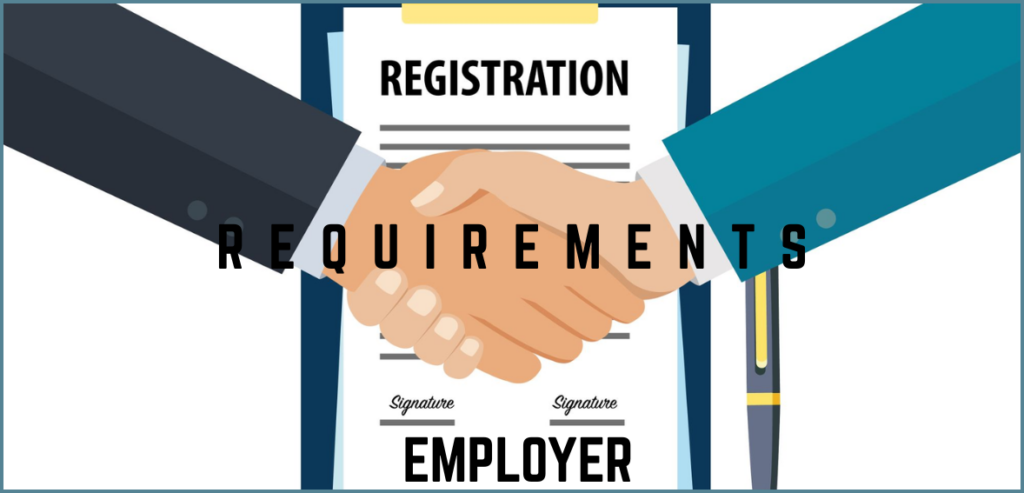
Proper employer registration is one of the first steps in an should be first in line payroll compliance checklist. Before giving out the payment, Delaware employers need to finish several registrations.
The primary registration requirements are:
- Having a Federal Employer Identification Number (EIN).
- Delaware Division of Revenue Registration.
- Delaware Department of Labour unemployment insurance enrolment.
Delaware payroll compliance relies heavily on proper registration information, as these accounts are utilized for tax reporting and payment. At this stage, errors may result in returns being misfiled or payments being declined.
Besides, employers must constantly revise their registration details whenever their business structure, ownership, or payroll service provider changes. Having the correct employer records in place is an assurance of smooth state agencies and long-term compliance. It is a must for a payroll compliance checklist to always ensure that registrations are up to date and active.
Employee Classification Rules in the Payroll Compliance Checklist
Absolutely, the right worker classification is a top priority on any payroll compliance checklist, while wrongly classifying employees as independent contractors ranks among the most common payroll compliance errors in the industry. The light of federal classification standards will be shed on Delaware payroll compliance based mainly on the following criteria:
- Control over the work done to what extent.
- The financial independence of the worker.
- The nature of their relationship with the employer.
Employees are always paid by means of payroll, while contractors are paid through different methods. The employer’s payroll liabilities are quite different between these two categories of employees; this is particularly true as regards taxes and benefits. Periodically revisiting the classification and confirming the correct one will be a requirement of the payroll compliance checklist during the onboarding process and after. Correct classification guarantees adherence to the payroll tax requirements. Delaware authorities will not only enforce the requirement but also protect employers from back taxes, penalties, and legal disputes.
Wage and Hour Laws in the Payroll Compliance Checklist
In fact, wage compliance constitutes the basis of a payroll compliance checklist. Wage and hour laws of the state and federal governments, which are the most important ones, must be observed by Delaware employers.
The main wage requirements are as follows:
- Paying the Delaware minimum wage at least.
- Calculating overtime for eligible employees correctly.
- Payment of earned wages is timely.
Generally, overtime applies to hours worked over 40 in a week, unless there are exceptions. Delaware payroll compliance necessitates precise monitoring of work hours for hourly and non-exempt employees. Employers also have to abide by the laws regarding youth employment and specific wage provisions whenever applicable. A payroll compliance checklist is an effective tool that ensures the wage calculations are accurate, documented, and, most importantly, defensible during audits or employee inquiries.
Payroll Tax Withholding Rules in the Payroll Compliance Checklist
The management of payroll tax withholding is considered one of the most complicated areas in managing payroll. A payroll compliance checklist supports Delaware employers in accurately handling these burdens.
Delaware payroll compliance necessitates employers to withhold the following taxes:
- Federal income tax.
- Social Security and Medicare taxes.
- Delaware state income tax.
Employers are also required to determine their payroll taxes properly. Among the payroll tax requirements Delaware imposes are on-time deposits and correct calculations based on the income and withholding choices of employees.
A reliable payroll compliance checklist makes sure that the withholding rates are correctly applied and also changed when the tax laws are revised. Continuous examination of the withholding practices minimizes mistakes, avoids underpayment, and maintains payroll accuracy for a long time.
Payroll Tax Filing and Payment Deadlines in the Payroll Compliance Checklist
For the smooth functioning of the payroll process, meeting filing and payment deadlines is one of the conditions that have to be complied with. The payroll compliance checklist is one of the means by which employers are able to monitor and thus meet all the timelines that are required.
The list of common payroll filings further includes:
- Federal payroll tax returns.
- Delaware state withholding reports.
- Unemployment insurance reports.
The submission of these filings on time and accurately is the major concern in Delaware payroll compliance. If filings are late or incorrect, the company will face penalties, interest charges, and the risk of an audit will increase.
Apart from compliance filings, employers are also required to distribute year-end forms like W-2s and to make sure that the copies are sent to the proper agencies. A payroll compliance checklist keeps track of deadlines in a centralized manner, minimizes the risk of missing filings, and makes sure that the payroll tax requirements imposed by Delaware are always met.
Recordkeeping Standards in the Payroll Compliance Checklist
Keeping precise records is a legal requirement and, at the same time, very much necessary for practical purposes. The payroll compliance checklist will give a detailed description of the requirements for keeping the records.
Employers must keep:
- Personal and tax data of the employees.
- Time and attendance documentation.
- Payroll reports and tax returns.
- Wages and deductions records.
In Delaware, the retention of records required for payroll compliance is dictated by the law, which often allows for the retention of records for several years. Such records are needed during audits, disputes with employees, and reviews of compliance.
Employers have the obligation to take care of sensitive data and to provide secure storage. A payroll compliance checklist will make sure that records are complete, easy to get, and kept in accordance with the guidelines of both the state and the federal government.
New Hire Reporting and Onboarding in the Payroll Compliance Checklist
Reporting new hires is a necessary part of the payroll compliance checklist for Delaware employers. The employers are to inform the state about any new employee or any rehired employee within the established period.
This procedure backs up:
- child support enforcement.
- unemployment insurance accuracy.
- tax compliance monitoring.
Among the regulations in payroll compliance in Delaware is the provision of correct employee information, which should consist of the name, address, and social security number. The payroll duties of the employer also encompass the collection of filled tax forms during the onboarding.
By adding the new employee reporting to the payroll compliance checklist, the likelihood of retarded submissions is eliminated, and the danger of noncompliance is greatly reduced. A good onboarding process is the first step to a payroll that is accurate and to a company that is always compliant.
Managing Payroll Deductions Through the Payroll Compliance Checklist
To maintain compliance, payroll software for small businesses should be processed with extreme care. The payroll compliance checklist is a helpful tool that differentiates between required and optional deductions.
Some of the typical deductions are:
- Garnishments and taxes.
- Contributions to benefits.
- Contributions to retirement plans.
In terms of Delaware payroll compliance, deductions must be approved, recorded, and calculated properly. Deductions that are either not authorized or excessive can result in discontent among the employees and may even result in legal penalties.
An employer’s payroll duties entail providing clarity concerning deductions and making sure that those deductions are accurately reflected in the pay statements. A payroll compliance checklist is a handy tool that helps to make sure that deductions are legal, consistent, and communicated in an easy-to-understand manner.
Compliance Audits and Reviews in the Payroll Compliance Checklist
Regular audits are a net gain for payroll compliance. A payroll compliance checklist should encompass periodic internal reviews for early detection and rectification of errors.
An effective audit of payroll includes checking:
- Employee classifications.
- Wage calculations.
- Tax filings and payments.
- Recordkeeping accuracy.
Delaware payroll compliance gets a boost from proactive audits, which catch issues beforehand and prevent them from growing. Besides, employers’ payroll obligations consist of cooperating with state or federal audits when necessary.
Checklist-based routine reviews enhance accuracy, lessen liability, and show compliance efforts made in good faith. This method makes it easier for employers to adapt to regulatory changes and also supports their future growth.
Using Automation to Strengthen the Payroll Compliance Checklist
Payroll compliance has been receiving a lot of help from automation lately. A payroll compliance checklist that is backed by automation has better accuracy and consistency.
Among the many things that automation is helping with are:
- Calculating wages and taxes.
- Tracking filing deadlines.
- Generating compliance reports.
- Securely keeping records.
Delaware payroll compliance becomes less of a burden when IT systems not only reduce manual errors but also automatically update tax regulations. The employer’s payroll obligations are thus met in a more efficient manner, which in turn allows the staff to concentrate on strategic tasks. If automation is part of the payroll compliance checklist designing process, then it will result in a scalable, reliable payroll process.
Conclusion
In Delaware, payroll compliance is a must, and the regulations are exacting and very much enforced. A thorough payroll compliance checklist gives a clear structure and control through payroll management.
The knowledge of Delaware payroll compliance requirements, fulfillment of employer payroll obligations, and keeping up with the payroll tax requirements set by Delaware will help businesses to avoid costly errors and trust the employees better.
Using a checklist-based proactive approach, payroll compliance is transformed into a process that is manageable and repeatable. A strong payroll compliance checklist is necessary for safeguarding your business and providing long-term operational stability. This is the case whether the process is done in-house or with the help of automation.
FAQs
What is a payroll compliance checklist?
A payroll compliance checklist is a systematic guide that helps employers to pay payroll taxes, file returns. It produces legal and statutory compliance reports with precision and conformance to timeliness.
Why is it important for Delaware employers to have a payroll compliance checklist?
It is important as it makes it possible for company owners to meet their state and federal employer payroll obligations. Hence, ensuring Delaware payroll compliance.
What taxes are included in the payroll tax requirements that Delaware enforces?
Delaware’s payroll tax requirements include Federal taxes, and also juveniles for unemployment insurance.
How often should employers review the payroll compliance checklist?
Employers must do a periodic review of the payroll compliance checklist pertaining to a regular basis.
Can automation help with payroll compliance checklist management?
To answer the question, automation ensures accuracy, monitors deadlines, and contributes to the management of Delaware payroll compliance effectively.